
The National Academy of Sciences under the President of the Republic of Kazakhstan sums up the results of 2025
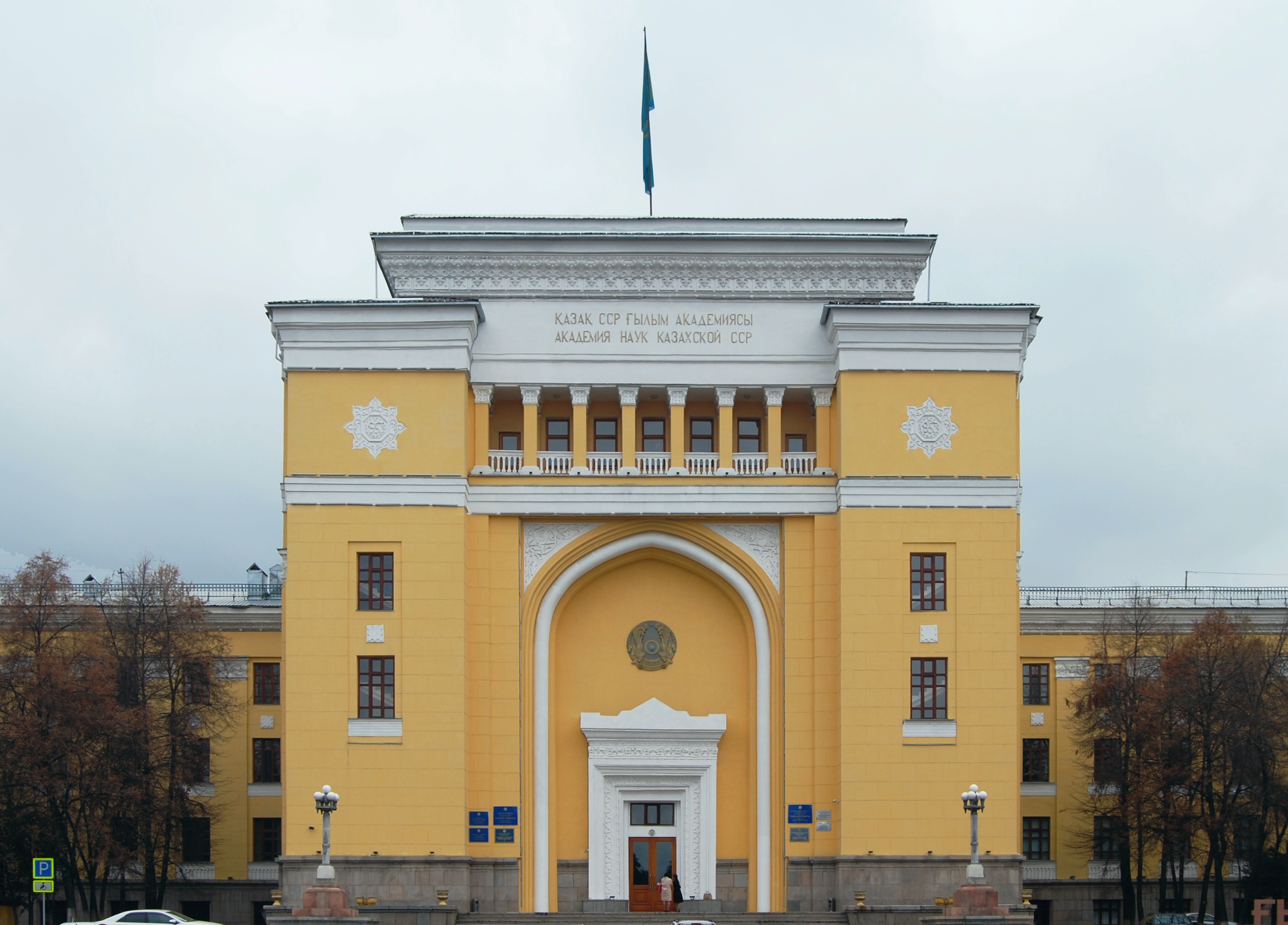
2025 Results: Key Milestones and the New Architecture
The year 2025 marked a transition period for the NAS RK under the President of the Republic of Kazakhstan, moving from organizational setup to real practical actions.
-
The NAS RK Development Strategy until 2035 was officially approved.
-
4 specialized scientific divisions were established: "Life and Health Sciences", "Education and Social Development", "Earth, Space, and Communications", and "Agrobioresources and Ecology".
-
Status: 17 Academicians were elected, and 146 scientists were granted the status of Honorary Academicians.
🔮 Foresight Approach Implementation & Digital Transformation
-
70 regional and sector-specific sessions were conducted with the participation of businesses and state bodies.
-
220 promising tasks and 65 scientific and technical assignments were formulated for program-targeted funding.
-
Regional foresight centers initiated operations in 6 regions (Zhambyl, Abai, Atyrau, Mangystau, Kostanay, and East Kazakhstan).
-
Digitalization: The NAS RK Analytics and Foresight Platform was developed. In partnership with South Korea (KISTI), the "AI SilkNet" Center was launched to build a unified intelligent scientific data ecosystem.
🔍 System Diagnostics: An Honest Evaluation of Issues
An expert review of 114 scientific and technical assignments revealed:
-
Significant deficiencies were identified in 88 assignments (excessive fragmentation of topics, weak human resources).
-
Only 27% of assignments received 2 or more applications (indicating low competition).
-
Regional Imbalance: More than 60% of scientists and over 70% of budget funds are heavily concentrated in Almaty and Astana.
🚀 Flagship Consortium Programs (TRL-8)
A new consortium model of "University – Research Institute – Business" was implemented, leveraging private investment (at least 2.5 KZT of non-budgetary funds for every 1 KZT of state budget):
-
Agrobiotechnologies (genomic selection, seed production).
-
New Energy Technologies (energy storage, power grid integration, scientific support for NPP construction).
-
Biomedicine (GMP manufacturing, biomarker research).
🌍 "Strong Regional Science – Strong Region" Initiative
-
The Presidium of the Academy held 10 field sessions across various regions.
-
Joint regional science development plans were signed between regional Akims and the President of NAS RK, followed by the opening of regional branches.
-
Analytical briefs were submitted to the President of Kazakhstan (regarding the reform of the National Agrarian Science and Educational Center, the creation of the National Genetic Bank, etc.).
🧪 New International Centers and Platforms
-
Laboratory of Spatiotemporal AI and Sustainable Development (jointly with the PRC): Development of the Kazakhstani large AI model DeepBas powered by exascale supercomputers.
-
Carbon Polygon and "South" & "North" Breeding and Genetic Centers (jointly with the RAS): Exchange of over 3,000 biological samples.
-
Kazakh-German NEXUS Institute (at KazNAIU): Digitalization of the water sector and transboundary water management in Central Asia.
-
Institute of New Materials and Energy Technologies: Scientific support for the implementation of Nuclear Power Plants (NPP) and hydrogen energy development.
-
Center for Advanced Cardiological Research in Shymkent: Launch of "ecocardiology" and regional health monitoring.
-
Scientific-Industrial Platforms: Center of Competence for Intensive Farming (with KMG PetroChem), Silicon Cluster of Solar Energy (SEZ "Saryarka"), and the "Green Fund of Almaty".
👥 Human Capital and Scientific Culture
-
Competitions for state prizes and research fellowships were migrated to a transparent electronic platform hosted on Astana Hub.
-
The Young Scientists Council was established, and the Young Researchers Academy was launched (the inaugural Forum gathered over 400 school and university students).
-
Publication of the popular science magazine "Әл-Жәбрдің атасы" in the Kazakh language commenced.
-
The Code of Scientific Ethics and the Code of Bioethics were ratified (in cooperation with UNESCO).
-
A network of 13 scientific journals was unified under a newly established Council of Editors to facilitate their integration into global databases.
-
The Academy organized 52 scientific events, resulting in 926 media publications promoting domestic research.